Nov 27, 2025
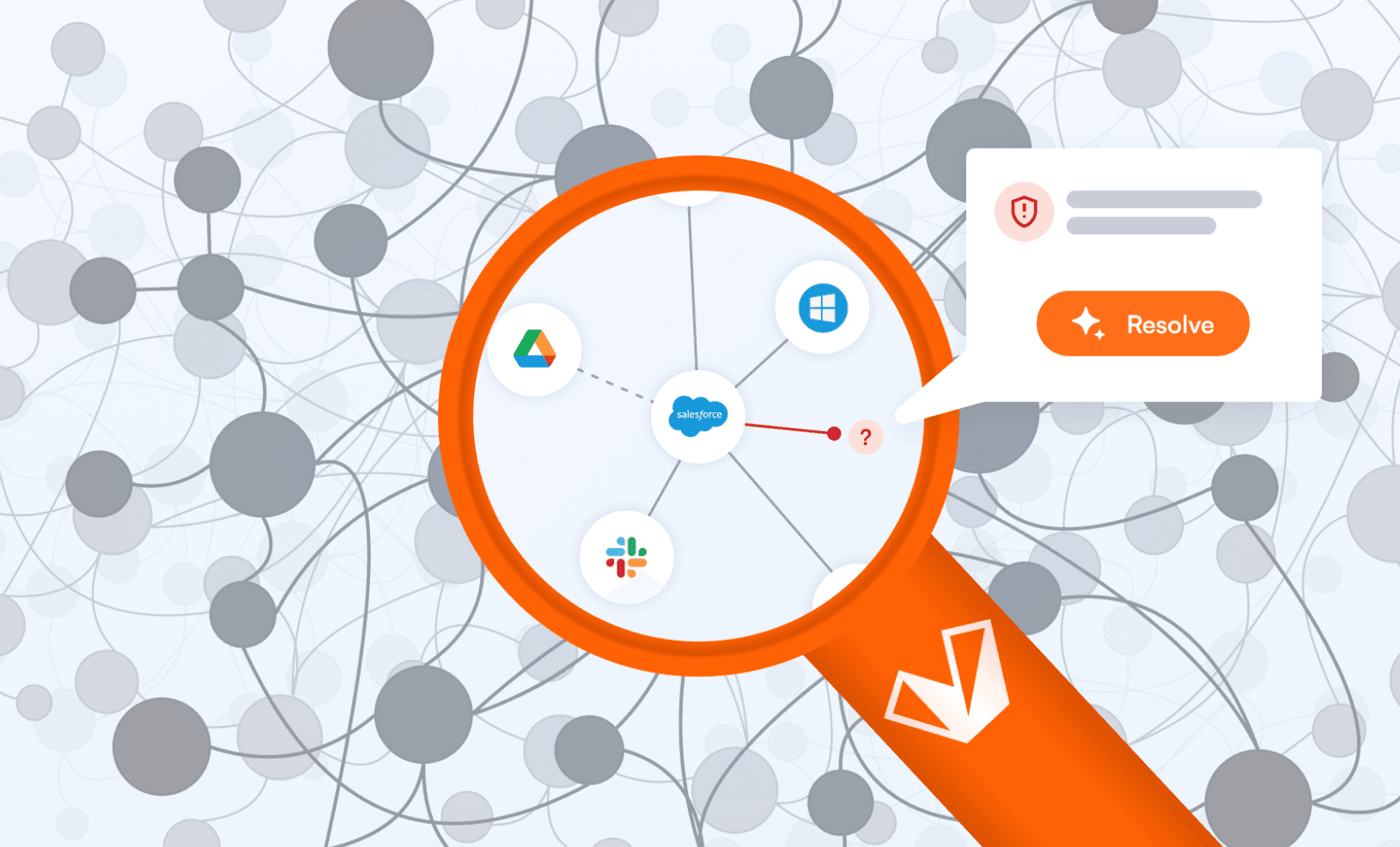
Gainsight Breach: a wake-up call for Salesforce users with 5 practical tips to help your organization to avoid becoming the next victim of a cybersecurity breach
The Salesforce ecosystem, a robust and interconnected web of applications and services, recently experienced a jolt with the news of a cybersecurity breach impacting Gainsight, a popular customer success platform. While details are still emerging, this incident serves as a stark reminder that even within seemingly secure environments, vigilance is paramount.
Gainsight, a widely adopted solution for managing customer relationships and driving retention, confirmed a security incident that involved unauthorized access to some of its systems. While the full extent and impact are under investigation, such breaches can potentially expose sensitive customer data, operational insights, and proprietary information. For businesses heavily reliant on the Salesforce platform, this isn't just a Gainsight problem; it's a wake-up call to re-evaluate their own security postures and practices across all integrated applications.
The interconnected nature of the Salesforce ecosystem means that a vulnerability in one application can potentially create a ripple effect, impacting other integrated services and the overall security of a company's data. This incident underscores the importance of a multi-layered security approach, extending beyond the core Salesforce platform to every third-party application and integration.
Here are five quick tips to help your organization avoid being the next victim of a cybersecurity breach:
1. Robust Vendor Security Assessment
Before integrating any third-party application into your Salesforce environment, conduct a thorough security assessment of the vendor. Inquire about their security protocols, data encryption practices, incident response plans, and compliance certifications (e.g., SOC 2, ISO 27001). Make security a non-negotiable factor in your vendor selection process.
Valo provides this assessment automatically out of the box.
2. Implement Least Privilege Access
Grant users and applications only the minimum necessary access required to perform their functions. This principle of "least privilege" significantly reduces the attack surface. Regularly review and audit user permissions within Salesforce and all integrated applications. Remove dormant accounts and revoke access for employees who have left the organization.
Valo provides permission power analysis and automated analysis for each application and account.
3. Enforce Multi-Factor Authentication (MFA) and Strong Passwords
The vast majority of breaches involve compromised credentials. Mandate Multi-Factor Authentication (MFA) for all users, especially administrators and service accounts, accessing your Salesforce environment and integrated applications. MFA adds a critical layer of defense, requiring a second form of verification (like a code from a mobile app or a security key) that an attacker won't have, even if they steal a password. Complement this with a strict policy for strong, unique passwords that are regularly updated.
Valo highlights integrations using personal accounts and weak or legacy authentication methods.
4. Continuous Monitoring and Anomaly Detection
Assume that a breach can happen despite your best efforts. Implement continuous monitoring of all connected applications and service accounts. Within Salesforce, tools like Valo and Event Monitoring (or Salesforce Shield) can be used to track:
Unusual login patterns (e.g., from unexpected locations or at strange times).
High-volume API calls or data exports, which could indicate a mass data exfiltration.
Changes to user permissions or security settings.
Establish a "normal" behavior baseline so that any anomalous activity triggers an immediate alert and investigation. If you don't have the resources to build your own alerts, use ready-made tools.
Valo provides automated monitoring and anomaly detection out of the box with different categories of alerts for anomalous logins, data exfiltration and permissions.
5. Regular Patching and Token Rotation
Unpatched software is a prime target for attackers. Ensure that your core Salesforce environment and all integrated third-party applications are kept up-to-date with the latest security patches and versions. Furthermore, for integrated apps that use OAuth tokens or API keys to connect (as was likely the case in the Gainsight breach):
Regularly rotate these tokens and API keys.
Immediately revoke and rotate them if a vendor notifies you of a breach, or if you detect any suspicious activity linked to that integration. This is the digital equivalent of changing the locks immediately after a key is lost.
Valo.ai helps organizations secure their Salesforce ecosystem against breaches by providing an AI-driven platform that automates continuous security and risk mitigation. It addresses the five key security tips by offering Continuous Integration Monitoring to score and vet vendor risk, providing Visual Access Mapping to enforce the principle of Least Privilege by identifying and locking down overexposed profiles, managing the complexity of identity and access to ensure accounts are secured and deprovisioned, offering Real-Time Anomaly Detection to continuously monitor and alert on unusual API calls or configuration changes, and mitigating Integration Risk by providing the visibility necessary to manage and proactively rotate authentication tokens for connected applications.